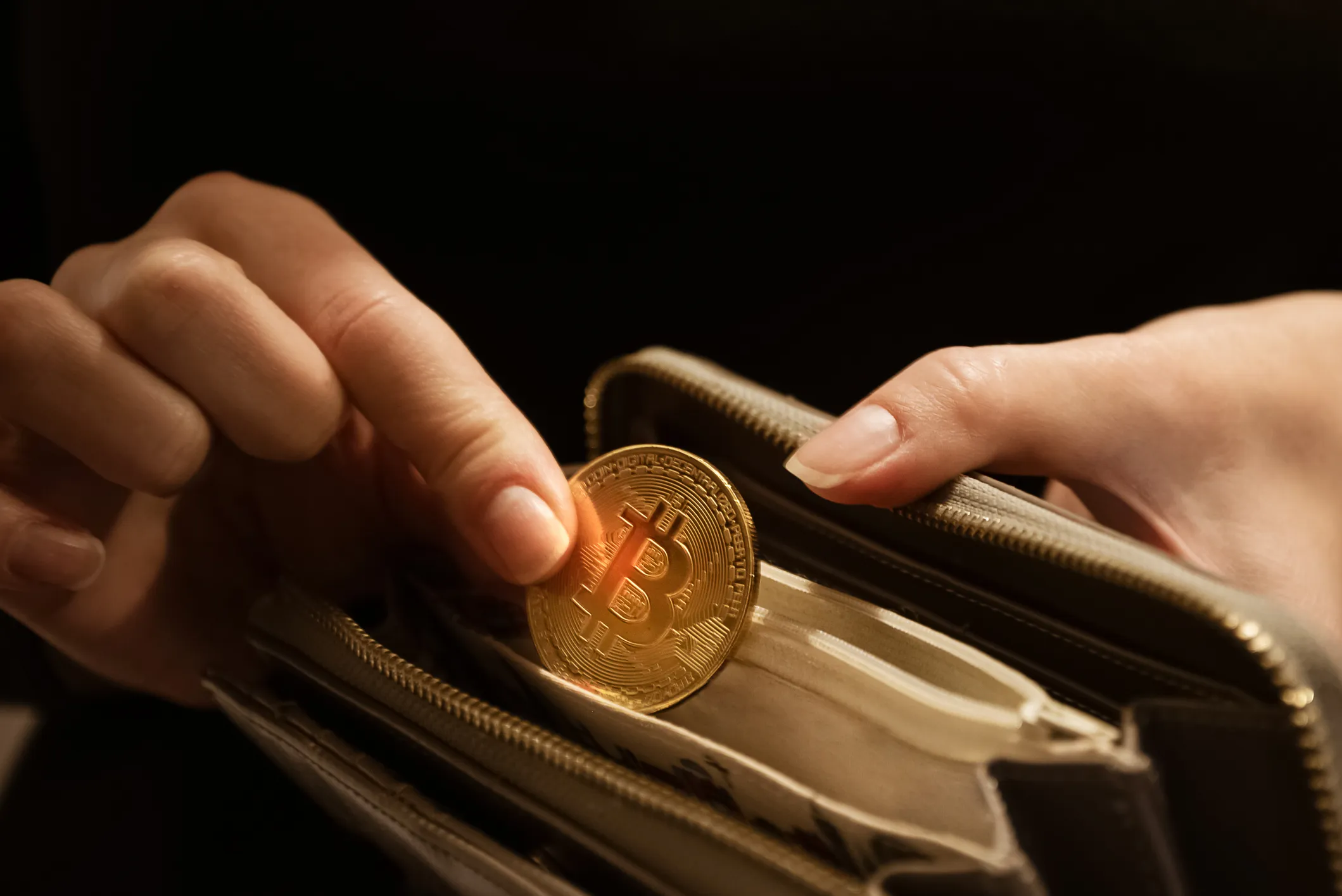
Satoshi’s Page began primarily as a Bitcoin education project, and this page contains resources I have used during my own Bitcoin journey. My work has since broadened considerably, but I have retained these resources for readers interested in Bitcoin. Please do your own research before making financial or security decisions, as tools and services can change over time.
Below I have listed some resources that I have found useful in my own Bitcoin journey. I trust that you will find them helpful.
Using Lightning
Muun Wallet
Lightning is a second layer solution built on top of Bitcoin designed to make payments cheaper and faster. Many people now have lightning wallets on their smart phones, allowing them to make fast payments to businesses. One Bitcoin can be divided into one hundred million Satoshi’s or ‘sats’. Once you have bought some Bitcoin (see below), a small amount can be transferred to a Bitcoin Lightning wallet for everyday purchases. I link one of my favourites below.
I used to recommend Coinbase because it was an excellent starting point for people who were completely new to Bitcoin. It was where I began my own journey several years ago, and its user-friendly interface made it easy to navigate for beginners. However, I always advised against storing your coins on the exchange itself.
Given the number of crypto exchange failures in recent years, it is now more important than ever to learn how to store your own Bitcoin securely, where no third party can access or control it. For this reason, I strongly recommend using a hardware wallet, as demonstrated below.
In my view, the best way to obtain Bitcoin today is through a decentralised exchange that enables peer-to-peer transactions. The best platform I currently know for avoiding centralised exchanges is Bisq. It can be a little challenging to use at first, so some technical confidence is helpful. There is a link to Bisq below.
Once you have purchased your Bitcoin on an exchange, it is possible to keep them there, but not recommended long term. In order to hold your Bitcoin in your own possession and under your own control it is advisable to store them on a hardware wallet. One of the best known brands is Trezor. The link below takes you straight to the place where you can buy one!
Below is the link to a PDF I originally created in 2025 to help people get started with Bitcoin. You are welcome to continue to access it, but please be aware that information can change over time.