Home » Bitcoin governance
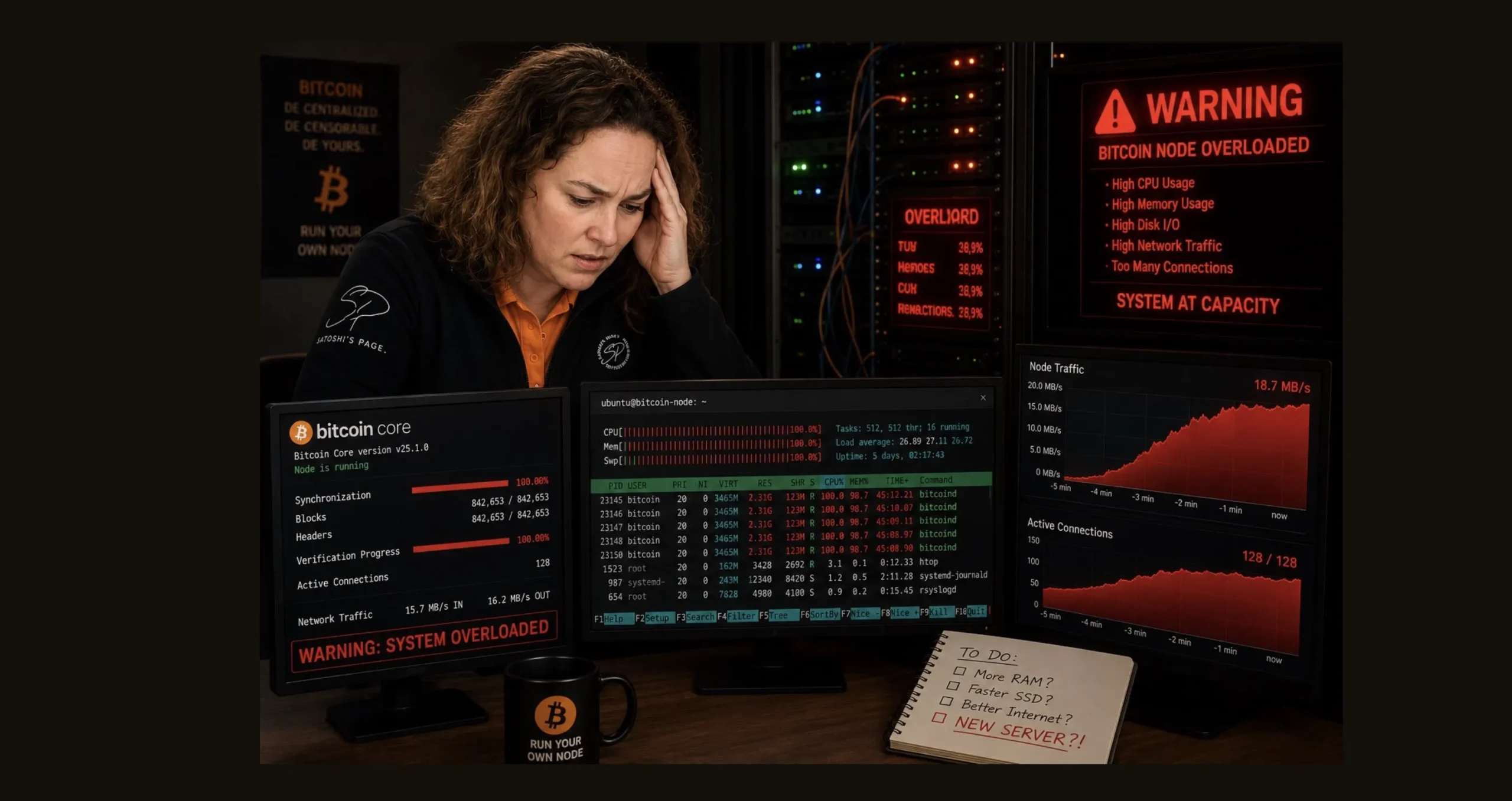
Bitcoin’s decentralisation depends on ordinary people being able to participate independently in the network. But what happens as the demands of doing so increase? I explore the practical realities of running a node and ask whether decentralisation can survive if meaningful participation becomes progressively more difficult.
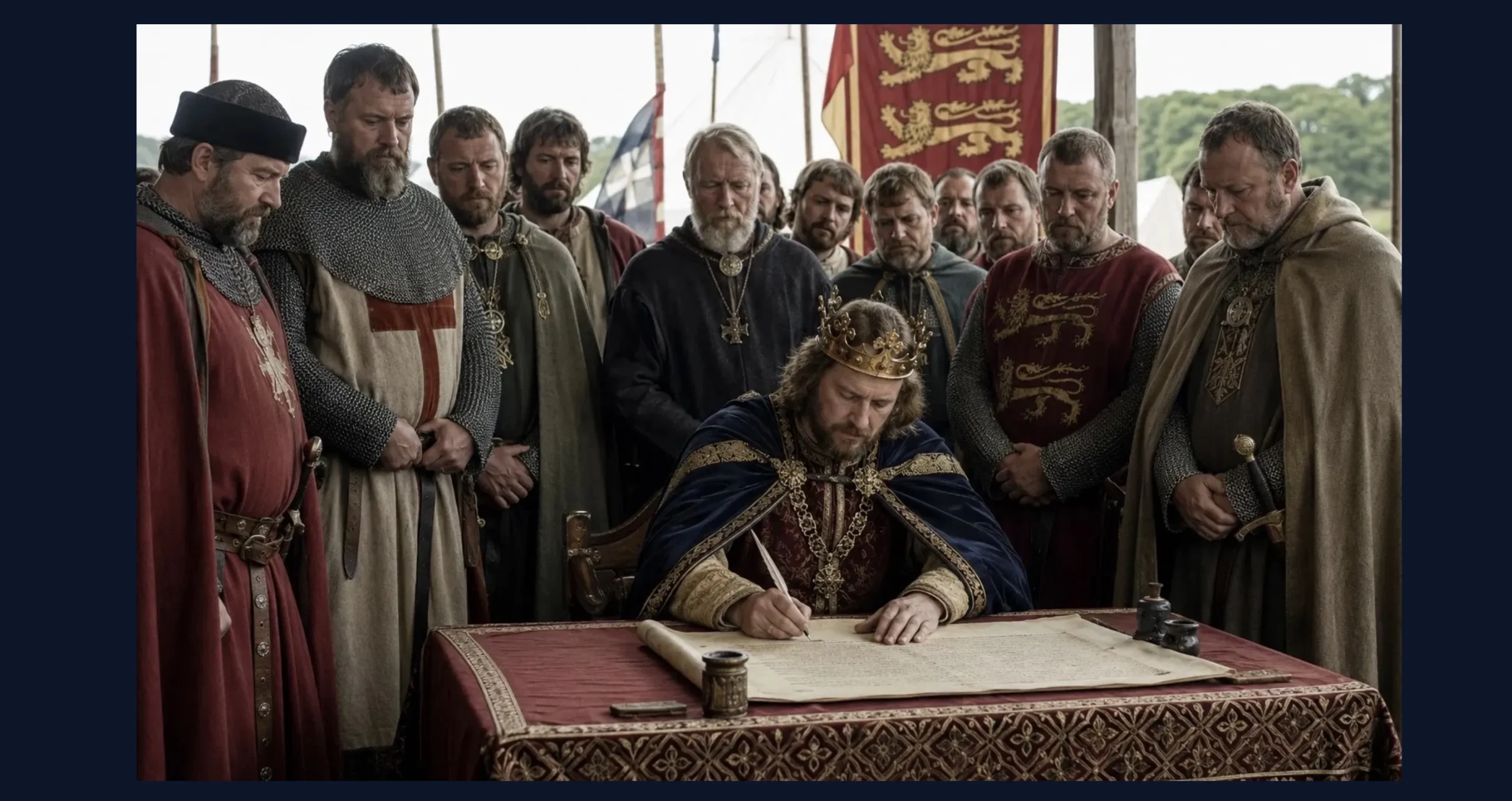
From the Ten Commandments to Magna Carta and the Declaration of Independence, societies have repeatedly tried to constrain power through rules. Years ago, I believed Bitcoin might represent another important step in that story. Now I’m returning to that idea and asking whether its rules can really remain beyond anyone’s control.
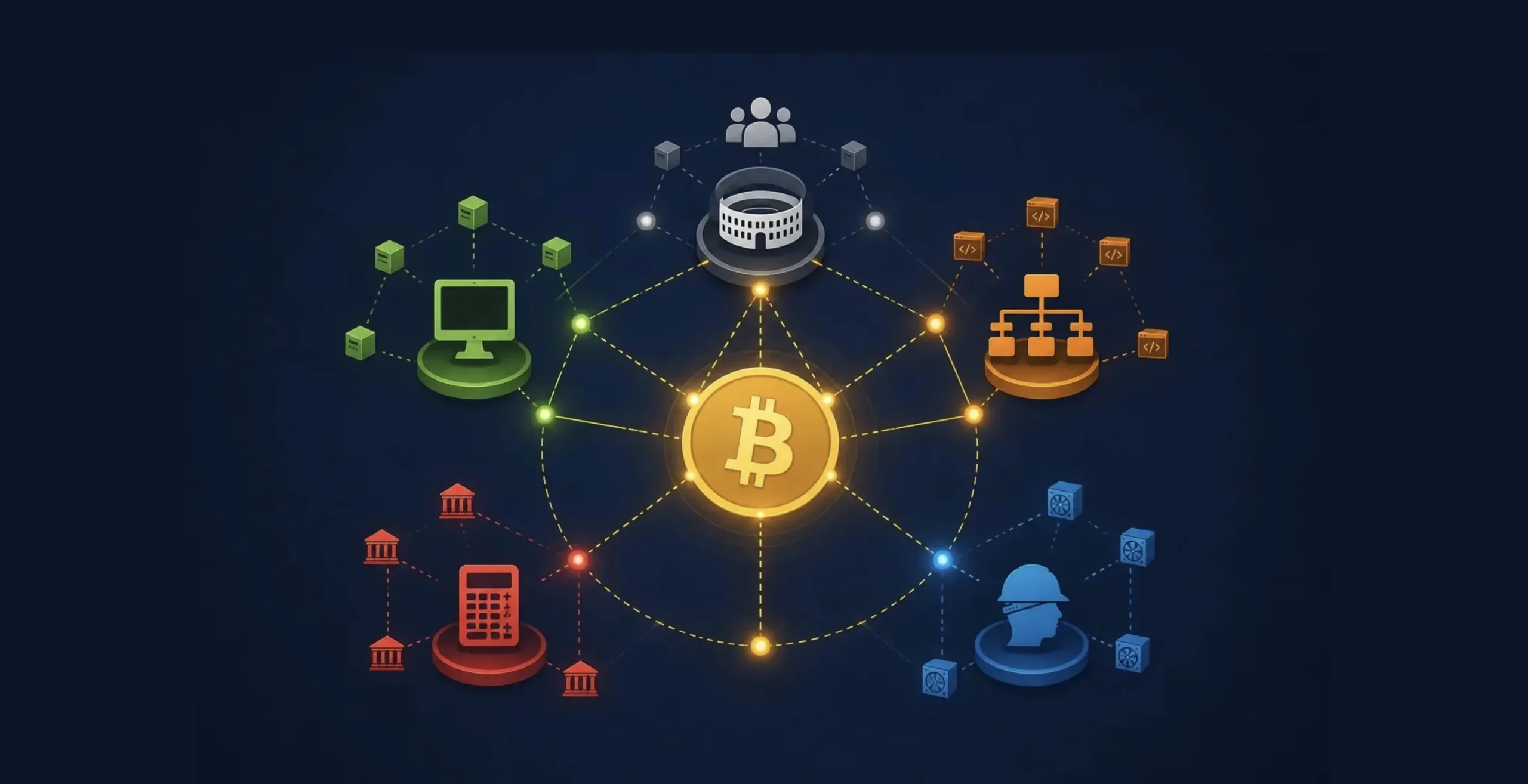
Bitcoin has no government, CEO or central authority — so what happens when its participants disagree? I explore the delicate balance between developers, miners, node operators, businesses and users, and ask where power really lies in a supposedly decentralised system.
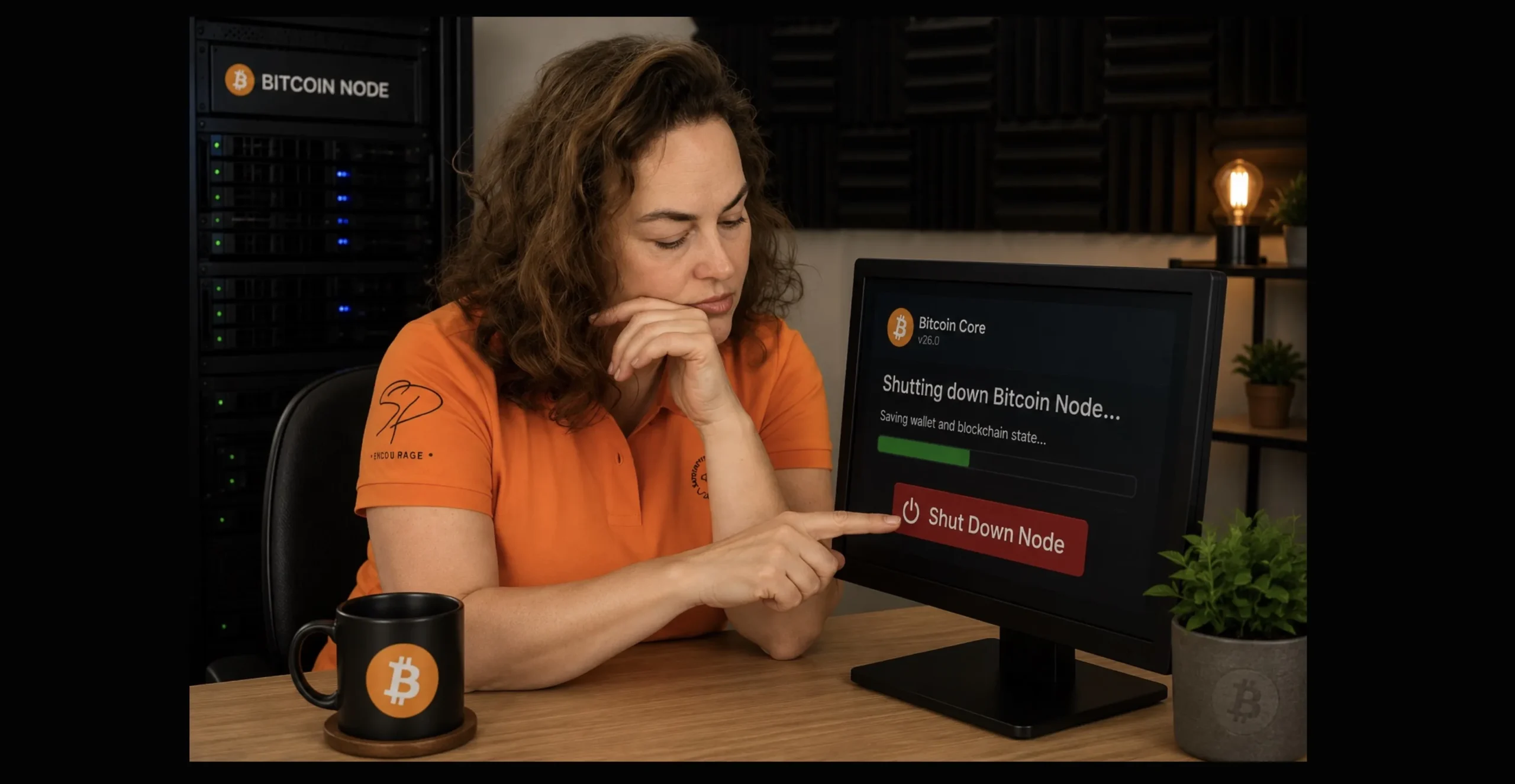
For years, running my own Bitcoin nodes represented independence and decentralisation. Then a disagreement over changes to Bitcoin Core forced me to reconsider what running a node actually means — and ultimately, I decided to switch mine off.